
A Survival Kit That Makes Sense
Hiking and backpacking are enjoyable and peaceful experiences that get us outdoors. However, every year, thousands of people get lost, injured, or die during wilderness trips. Experience and good judgment keep these things from happening, and a good survival kit can also create a more comfortable experience. I hike in the White Mountains of New Hampshire quite frequently with groups or by myself. Hiking 15-20 miles in one day is not uncommon in the mountains, and my overall goal is to reach the summit, and get back to the car. One thing I have noticed in my experience from other survivalists and outdoors recreators is it is rare that someone will mention that your ability to move is one of the most important aspects to success on a wilderness trip. If you can get yourself to your destination and back, then you have done your job and hopefully had a great time in the process. If you pack a heavy bag and can’t hike comfortably, or if you have an injury and can’t hike on your own, then this will be extremely detrimental to you and your friends’ wilderness experience.
Survival kits can be a tricky thing to pack before a trip. We want them to be lightweight enough that they do not weigh us down or cause any inconvenience. I have found it very easy to make excuses as to why it is important to bring along completely useless items on a hike. Over the years, I got in the habit of removing things from my kit that I never took out to use. My survival kit is now very compact, lightweight, and consists of only items that I have needed, used, or would never go without. When you create your own survival kit, it should be a personal and experienced decision. Go ahead and pack a kit that you think would work for you, go on a hike, and see how you feel with that gear. Maybe that 50 feet of snare wire only adds unneeded weight to your pack. Maybe you wish you brought along a saw. Or maybe you realized that 10 protein bars was just too much for that 2 mile out-and-back hike.

These are the contents of my survival kit that I never go on a wilderness hike without:
Knife/Multi-Tool
A cutting edge is arguably one of the most important survival tools due to its ability (along with your skills and knowledge) to carve various objects. If weight matters and I have to choose between a multi-tool or a knife, I opt for the multi-tool. I frequently use the other tools for projects while backpacking. A full tang, fixed blade knife offers more reliability when doing heavier cutting tasks such as batoning. Where I hike in the mountains, there’s enough small and dead twigs where It would be rare to need to baton wood to break it down.
Headlamp with Extra Batteries
Having a good light is essential to navigate at night. I frequently do long trails where I am hiking down the mountain well after dark and need a bright light to see all the rocks and roots on the way down. Headlamps are superior to flashlights as they allow the ability to have both hands free. Practice changing your batteries with your eyes closed to simulate changing them in the dark.
Fire Starters
I bring a small package of stormproof matches and a small ferro rod. I will opt for the matches right away if I need a fire, but it's good to have a backup in case of an emergency. Store a few commercial tinder tabs in your match case to have something dry on hand. If you find some fallen birch bark while hiking, stash some in the hip belt of your backpack.

Whistle
This doesn't go in my kit, but around my neck so it's readily available. I tell my students that 1 blast means pay attention, 2 blasts means let's gather up, and 3 blasts is reserved only for emergencies. There are many hiking backpacks that come with whistle buckles. These aren’t as loud as a regular emergency whistle, but are convenient.
Rope
I carry a few 6-10 foot strands of paracord or utility rope with me as I hike. I like the short strands as I find it extremely annoying to be untangling a bundle of 100 feet of p-cord when I need it. I have only ever needed a large amount of rope once when I had to make a stretcher out of branches when I worked wilderness therapy in Utah and had to carry a student 14 miles. Paracord does not weigh much and it is very hard to quickly substitute from the wild, so I opt to bring more than I think I need, but I don't go overboard. 30-50 feet seems to be more than enough for me.

Signal Mirror
This can be used to reflect the sunlight to signal for rescue. I also carry it for first aid situations. It's a great resource to see yourself and get something out of your eye if you are solo hiking.
GPS/PLB
The most expensive piece of outdoor equipment I own is a GPS which also doubles as a locator beacon. I have had to use the SOS button once in Utah when a hiking companion was stuck in quicksand, with no way to get out. Make sure that you are well practiced in a wide range of survival skills and do not fall into the mindset that nothing can go wrong if you carry one of these. They are great to have, but it usually takes at least a few hours for rescue to come, and you are putting a lot of other people’s lives at risk if you do hit that SOS button. The map feature is great on many units as you can mark where the trailhead is before your hike, can record cool spots you find, and can track your mileage.
Emergency Blanket
These are super lightweight and cheap. Emergency blankets can be used many different ways and are one of the ingredients for a “super shelter”. One time, I came across a woman who was all scratched up from an accident in Yellowstone National Park where she was very bloody. Giving her my sleeping equipment was not the best option as it would be covered in blood, and I needed it for the rest of the trip. An emergency blanket worked surprisingly well and she was warm until the rescue pickup came for her.
Pen/Notebook
These do not weigh much, and are a great way to leave a note in case you are lost, make a campsite, and then move on. They are also convenient for keeping notes in first aid emergencies (recording pulse, respiratory rate, etc).
Duct Tape
I wrap a good amount of duct tape around my hiking poles so it's always readily available. Duct tape can be used to make quick repairs in your tent or tarp, first aid emergencies, or to improvise certain pieces of gear.
Trash Bag (55 gallon contractor bag)
The 15 cent rain jacket. A trash bag is an incredibly useful tool that can be turned into 100 things. Poke a hole under one of the corners to have a hooded rain jacket. Leaves can be brought into it as well to make a quick insulated and waterproof shelter. I once cut the corners of the one I carry to make a pair of gaiters for someone who was getting snow in their boots and was at risk of frostbite. When backpacking, I line the inside of my backpack with a trash bag to make an ultralight waterproof dry bag for my gear. I always bring an extra as well.
First Aid Kit
A very important piece of gear! First aid kits should be packed for your needs, the trip duration, how many people will be on the trip, and what you expect to be doing. There is no “one size fits all” first aid kit. I usually pack a splint, compression bandages, gauze pads, medical tape, medications, a tourniquet, blister treatment, sunblock, tampons, and a few other things.
Flagging Tape
A great way to mark your trail should your trip plan deviate. If you need to go off trail for any reason, hang some strips up on your way into the woods so you do not get turned around. Collect the tape on your way back to the trail to reuse it later and not leave trash out in the woods.
Metal Cup
I carry a small titanium cup which can be used to boil water, dig holes, and even used to bang a metal spoon or stick against to spook bears away. I pack the contents of my survival kit into my cup for compact keeping.
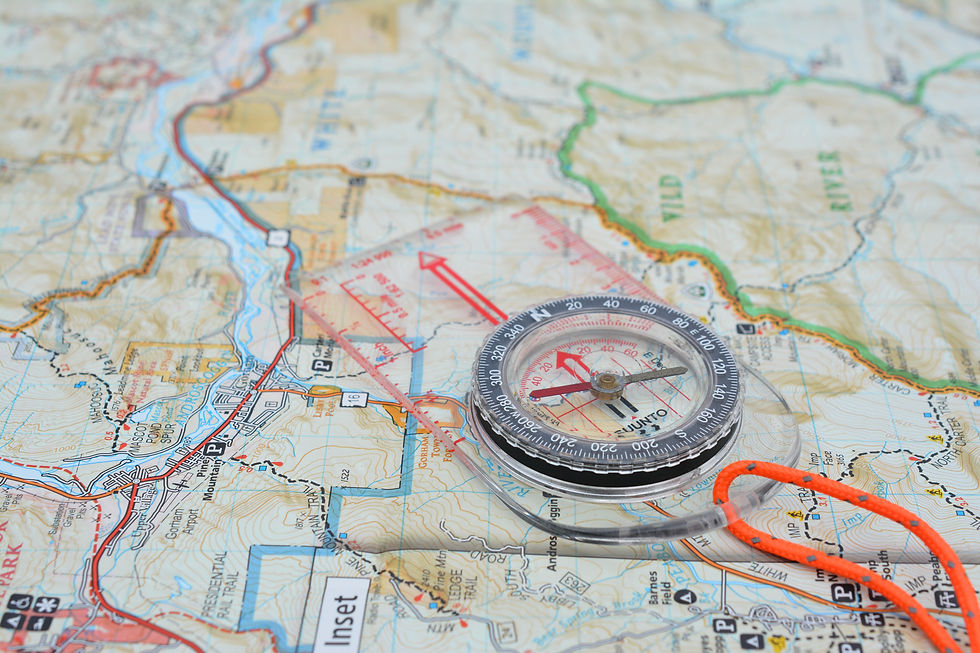
Adequate clothing, two single-walled stainless steel water bottles, a lightweight water filter, food, a cell phone, compass, map, hiking poles, and good judgment should also be included in your pack. I prefer not to purchase pre-made survival kits, but to get high quality gear and assemble my own kit based on my needs and what type of trip I will go on. Practice with what you already have and what you think you need on smaller trips, adjust your kit, and get out there again! Remember that accidents can happen to anyone. Competency, discernment, and the ability to let go of “summit fever” are the qualities that can save us from failure. Happy trails!
-Tim Swanson


Keeping encode and decode operations client-side removes the usual privacy tradeoff of online converters. The data URI image preview is a nice extra for debugging embedded assets. Worth bookmarking: base64.space.